What Really Causes Hair Loss After 40 (Menopause Included)
Menopause included. The mechanisms behind mid-life thinning, and which of them you can actually do something about.
By Lisa Monroe
Wellness advocate
July 12, 2026Updated August 2, 202610 min read
Contents
My Story
After 40 Changes
Why I Skipped HRT
Your Scalp
Dormant ≠ Dead
Peptides 101
Gimmicks vs Biology
What I Use Now
Month by Month
You're Not Alone
1. My Story (And Why “It’s Just Hormones” Fell Short)
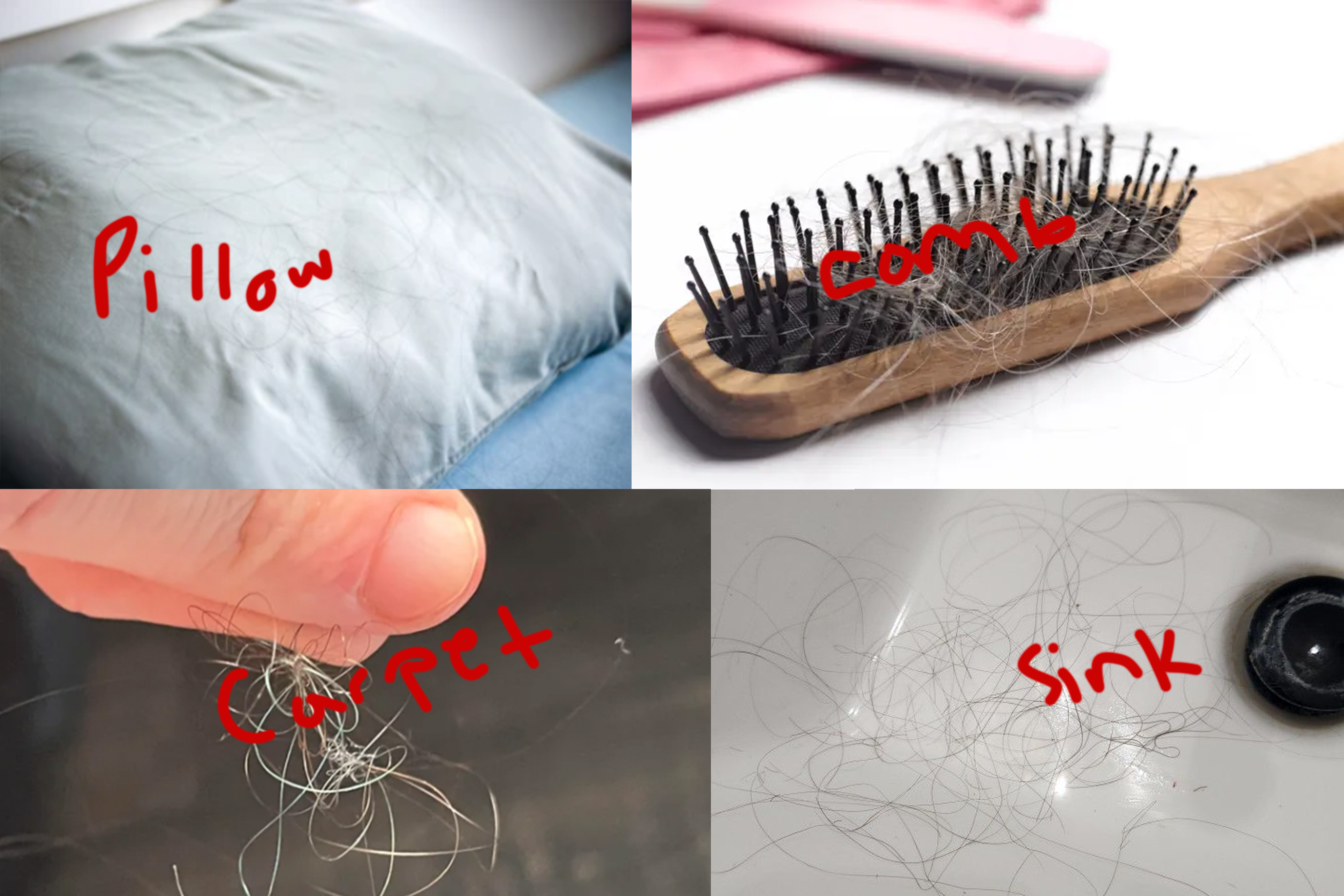
I’m Lisa. At 52, I noticed more hair in my brush, a thinner
ponytail, and a widening part. I tried the usual suspects: shampoos,
supplements, “detoxes.” Nothing stuck.
Every search said the same thing:
blame hormones, try a drug, wait six months. But
what my scalp felt (itchy, tight, sometimes red) told a different
story.
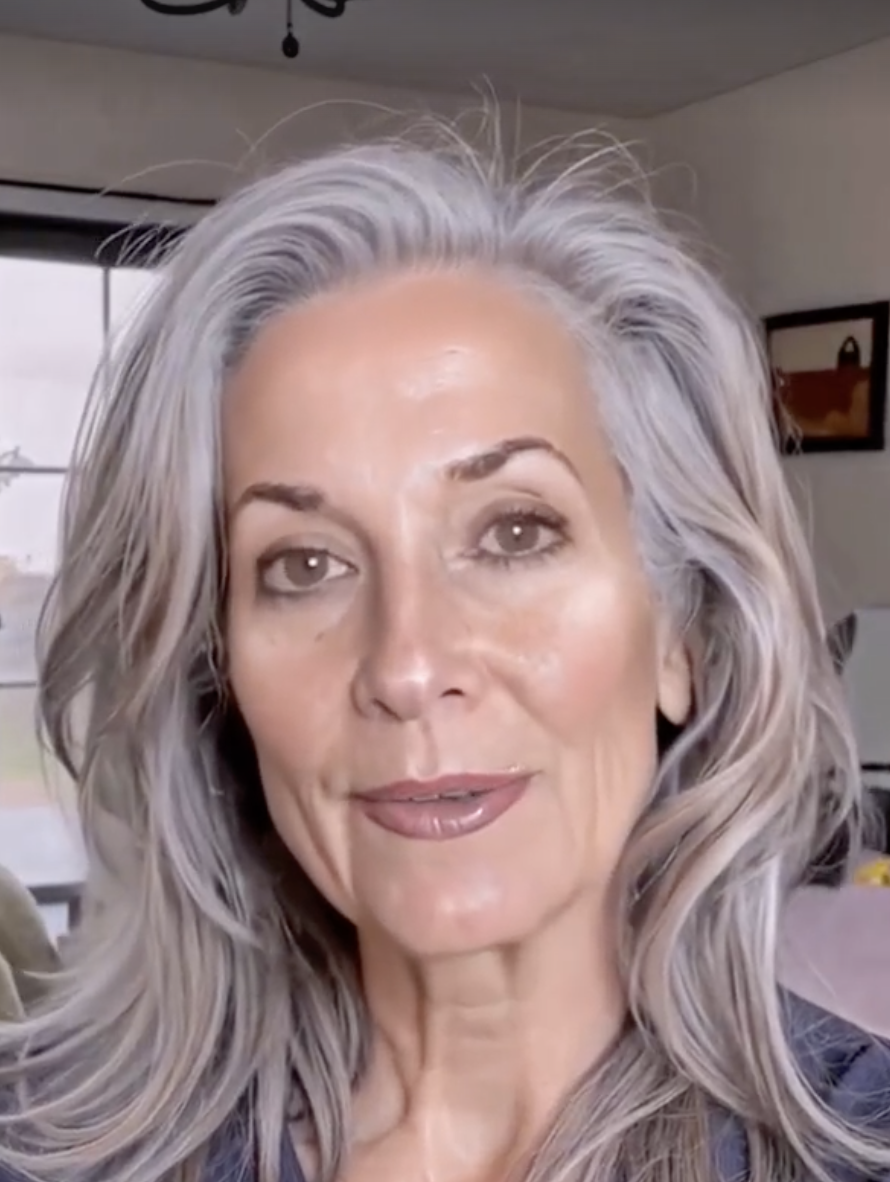
See the Peptide Science Behind My Turnaround
After months of thinning, I found a peptide-based approach that actually works with my body's natural processes. No hormones, no side effects, just real results that I can see and feel.
90% see results89% new growth91% less dryness6x stronger
Yes, hormones shift, estrogen declines, growth
phases shorten, and some follicles become more sensitive to DHT. But
that’s only part of the story.
What I wish I’d heard sooner:
the scalp environment matters. Inflammation and
disrupted signaling can quietly push follicles into a prolonged
“resting” state, so hair sheds faster than it returns.
Translation: It’s not only about what’s happening in your
bloodstream.
It’s also about what’s happening in your scalp.
Learn How Signaling Affects Regrowth
Understanding how peptide signaling works at the cellular level changed everything for me. It's not just about what you put on your scalp, it's about what messages you send to your follicles.
90% see results89% new growth91% less dryness6x stronger
I spoke with a specialist. For me, using hormones
just for hair didn’t feel right, especially with potential
side effects and no guaranteed outcome. I wanted to support my
body’s own signals instead of overriding them.
⚠️ Blood clots
⚠️ Stroke
⚠️ Breast cancer
⚠️ Heart disease
⚠️ Endometrial cancer
⚠️ Gallbladder disease
⚠️ Breast tenderness
⚠️ Mood changes
⚠️ Bloating
⚠️ Headaches
⚠️ Nausea
⚠️ Spotting/bleeding
4. Your Scalp: The Overlooked Battleground
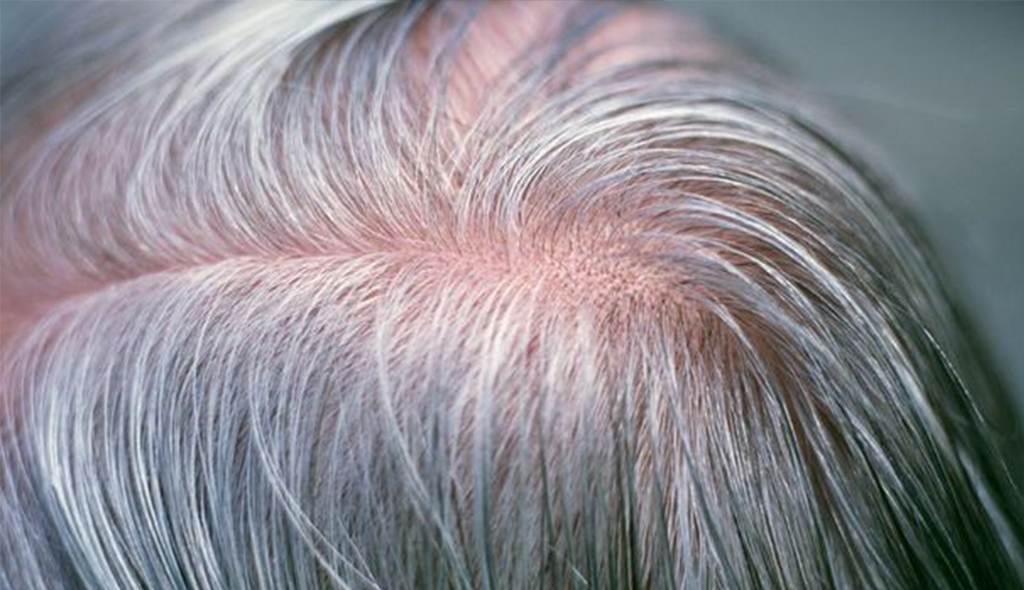
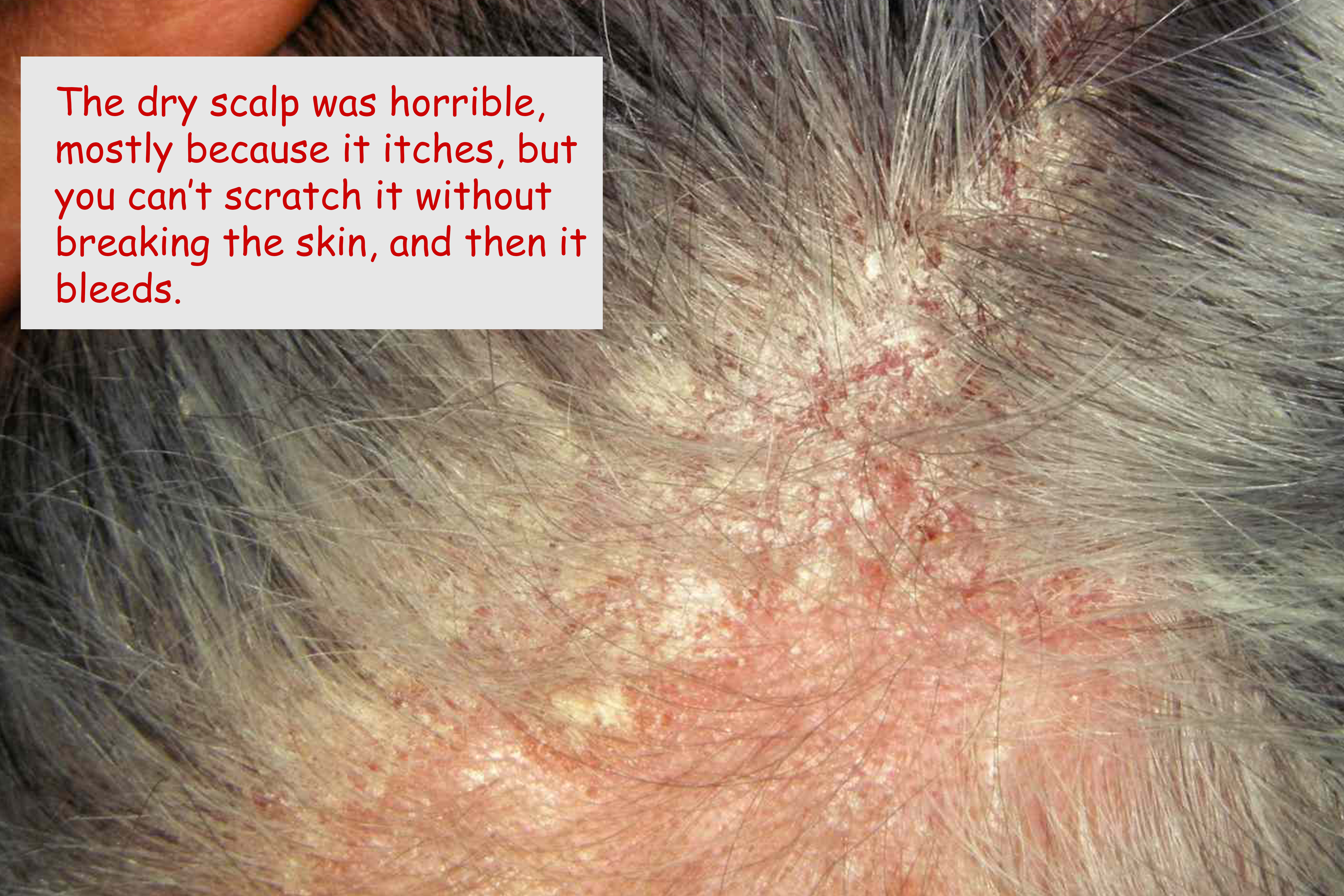
As estrogen drops, skin can become drier and more reactive. On the
scalp, that can look like
low-grade inflammation, itchiness, tightness, or
redness, which makes anchoring and regrowth harder.
Stress doesn’t help. Cortisol spikes (hello 3 a.m. wakeups) further
agitate the scalp environment.
The Peptide Serum I Use Daily
After months of research, I found a peptide-based serum that actually works with my body's natural processes. No hormones, no side effects, just real results that I can see and feel.
90% see results89% new growth91% less dryness6x stronger
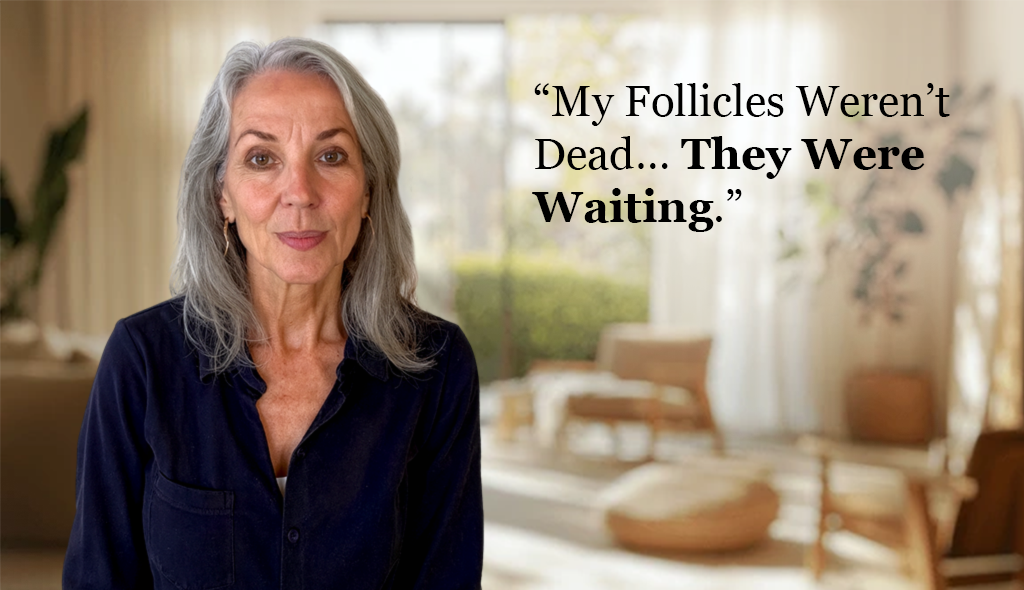
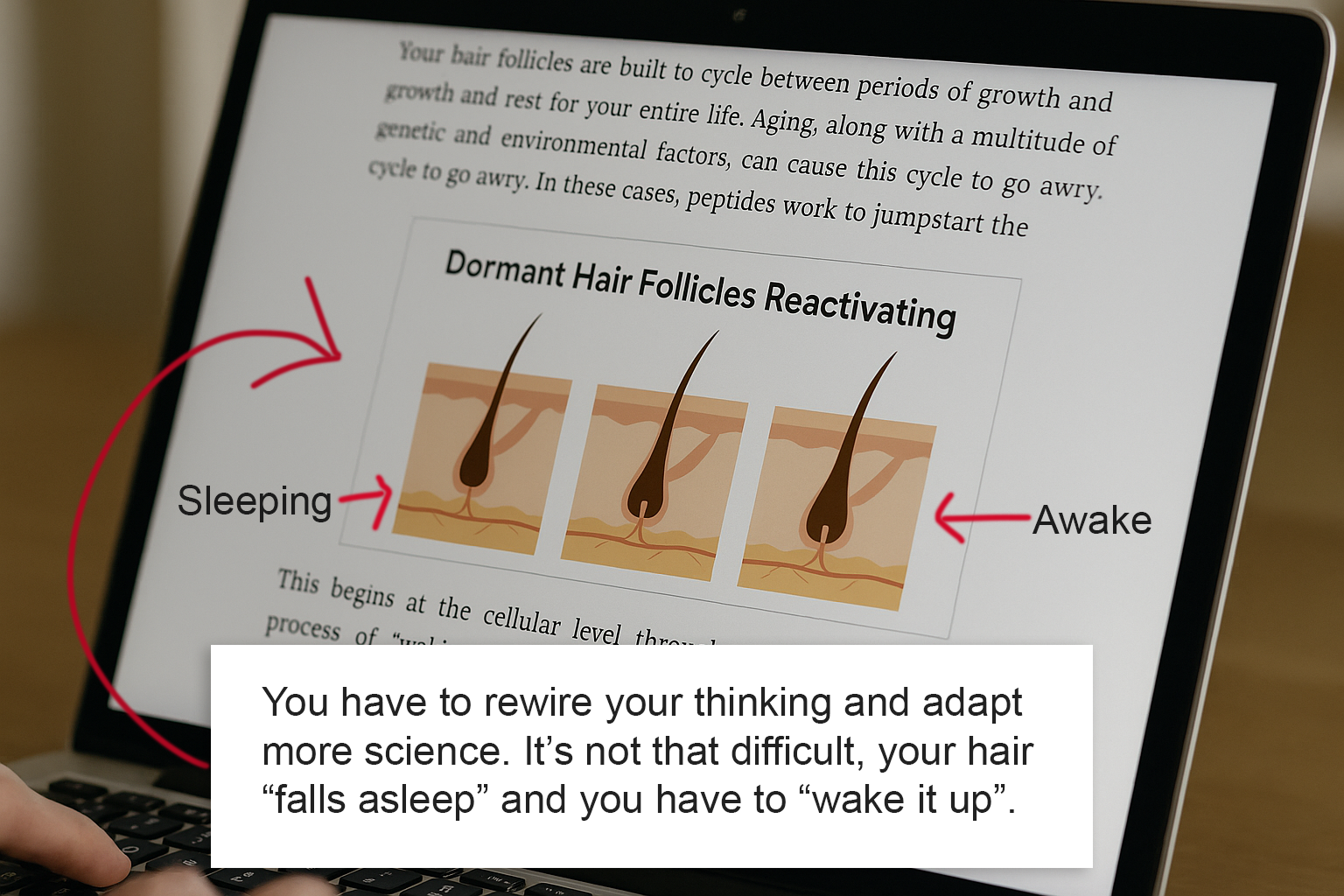
Most follicles don’t “die”, they go quiet. Think of
a lamp that’s unplugged, not broken. The goal is to restore the
signal so the bulb turns back on.
That’s what changed everything for me: focusing on
signaling and scalp calm instead of chasing the
next trendy fix.
6. Peptides 101: Tiny Messengers, Big Impact
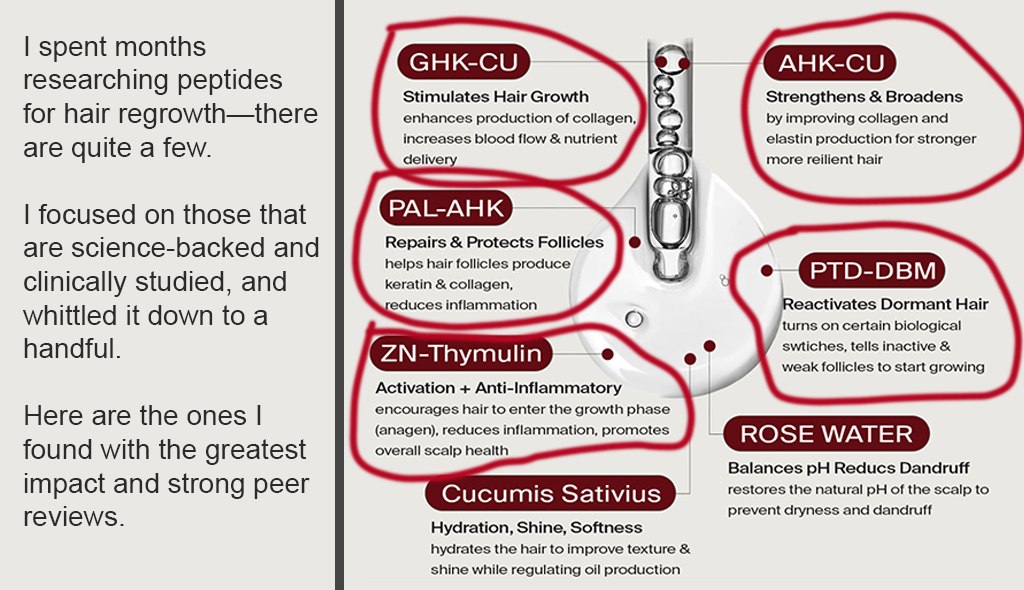
Peptides are short chains of amino acids, little
“messengers” your skin and follicles understand. Certain peptides
used in hair serums are formulated to
support signaling and a calmer scalp environment.
Examples you’ll see on labels: GHK-Cu,
Zinc Thymulin, AHK-Cu. I looked
for formulas that prioritized these over perfumes or heavy oils.
7. Gimmicks vs. Biology
Rosemary oils, gummies, scalp toys. Fun, but they never moved the
needle for me. I shifted toward
biologically meaningful inputs: calm the scalp,
support signaling, stay consistent.
8. What I Use Now (And Why It’s Working)
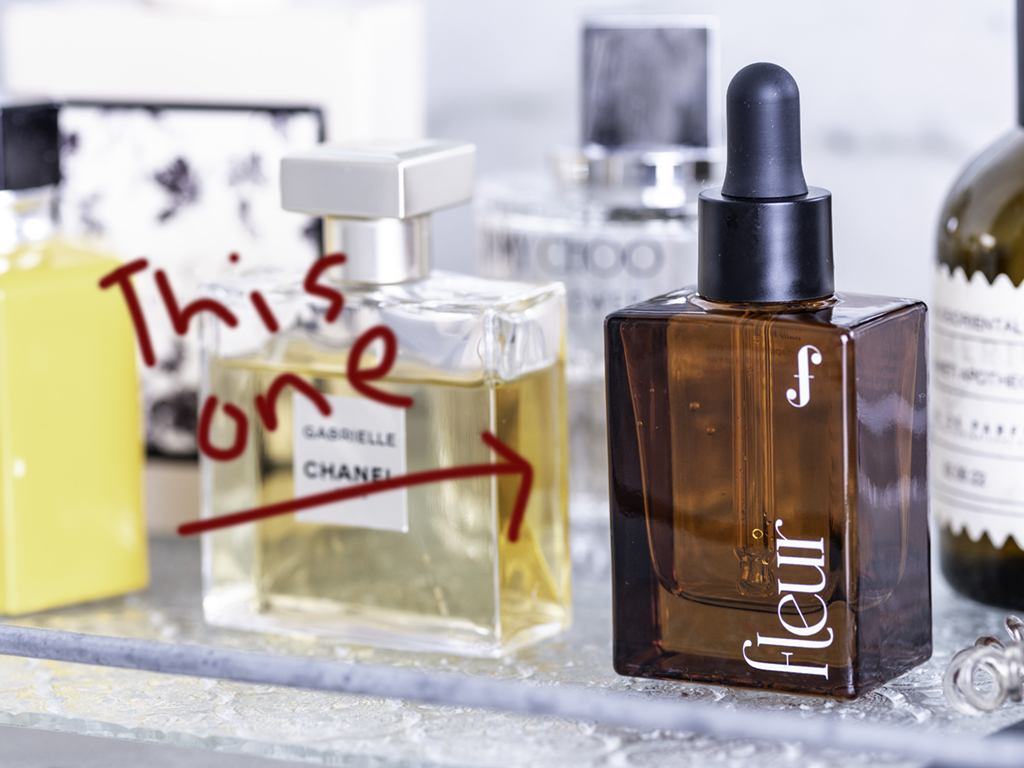
I chose a serum built around GHK-Cu,
GHK (basic), and Zinc Thymulin,
plus a lightweight base that didn’t irritate my skin.
It fits my non-hormonal approach and my real-life routine. The
biggest change? I feel in control again.
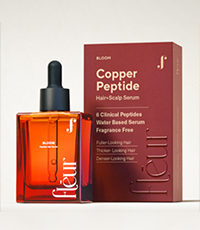
The Hormone-Free Serum I Chose
A serum designed for women over 40 with multiple bioactive peptides and a gentle base, created to support signaling and soothe the scalp. If progressive thinning has you stuck, this may be the reset you've been looking for.
90% see results89% new growth91% less dryness6x stronger
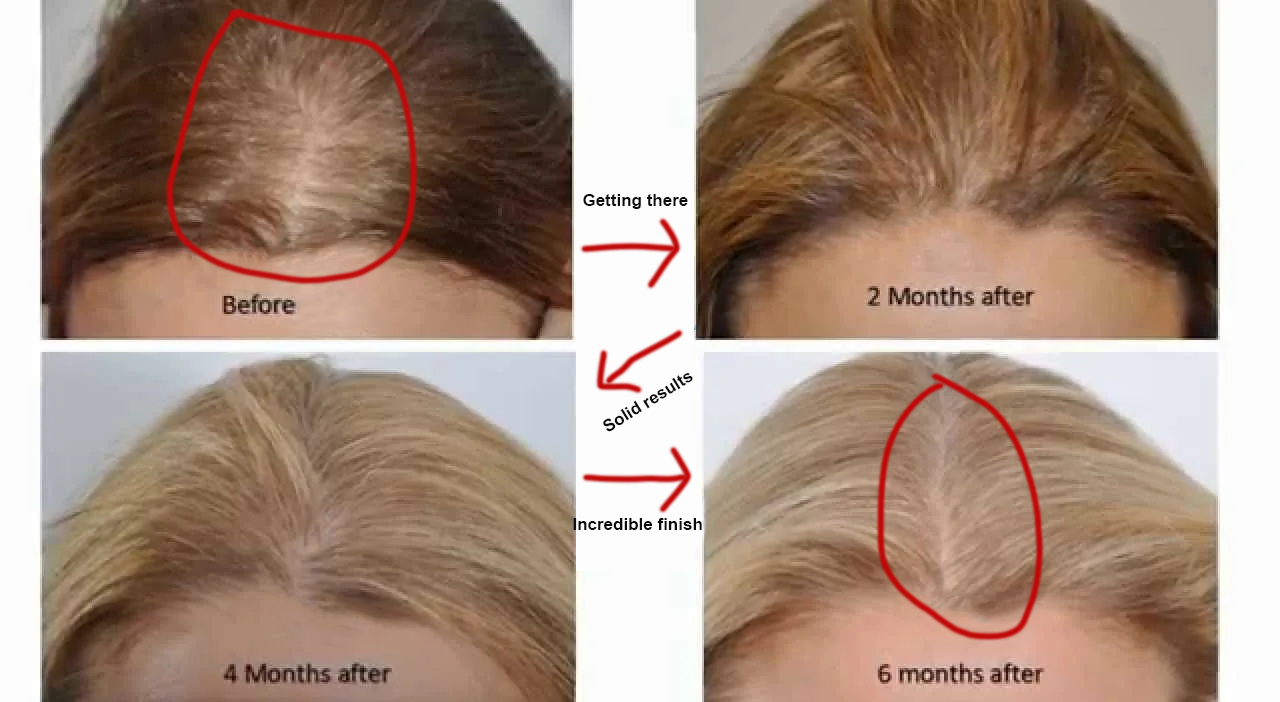
Month 1–2: Scalp comfort improves; shedding looks
more “normal.”
Month 3–4: Baby hairs at the hairline; strands
feel a bit stronger.
Month 5–6: Fuller crown, tighter part, and real
confidence returning.
10. You’re Not Alone
After 40, menopause included, hair can change. But there’s more to the
story than hormones alone. If your scalp feels ignored in the usual
advice, you’re exactly who I wrote this for.
There’s science. There’s hope. And there’s a path
forward.
Want the peptide-powered guide that changed everything for me?
Join the Conversation
Janice L.This was such a beautiful read, Lisa. I’m 56 and your story
felt like you were telling mine. Thank you for putting words
to what so many of us feel.
2d72
Lisa Monroe (Author)Janice, this truly means so much. I felt incredibly
alone until I started writing things down. You’re not
alone either. ❤️
1d14
Shelly B.I second this. I teared up reading section 9. That
“before and after” made me believe change is
possible.
21h8
Kara M.Lisa, did you experience any flaking when you first started
using peptides? I’m on week 3 and noticed a bit of dryness
around my crown.
1d33
Lisa Monroe (Author)Yes! I had a little flaking in weeks 2–4. I added a few
drops of a lightweight scalp oil every third night and it
totally resolved.
16h12
Linda P.I screenshotted the inflamed vs healthy scalp image, that
was such a wake-up call. I've been blaming hormones for
years.
3d51
Lisa Monroe (Author)Same here, Linda. That one image changed the way I
approached my hair and my scalp. Inflammation is a sneaky
thief.
1d10
Angela D.I’m 49 and seeing thinning at the temples. Do you think the
peptides you used would help even if it’s not full hair
loss?
20h29
Lisa Monroe (Author)Angela, yes! That’s exactly where mine started too. The
peptides helped most around my temples and part
line.
8h7
Maria V.Section 5 was my lightbulb moment. Dormant doesn’t mean dead
, that gave me hope I didn’t even know I needed.
Join the Conversation